What activity?
Training, racing, staff operations, travel, warm-up, or all-day event wear.
Materials & sizing
Climate, activity level, fit preference, size range, artwork, and order purpose all influence the right product and material direction.
Start with use
Training, racing, staff operations, travel, warm-up, or all-day event wear.
Heat, humidity, cool weather, wind, indoor use, or changing race-day conditions.
Logo count, artwork coverage, sponsor hierarchy, labels, names, and numbers.
One event, a season kit, mixed participant sizes, or a repeat program.
Material direction
These are selection directions, not fixed specifications. Final fabric weight, composition, hand feel, color, and availability are confirmed against the chosen style and sample.
Running shirts, training tops, participant apparel, and warm-weather team use.
High-airflow areas, race singlets, training products, and hot conditions.
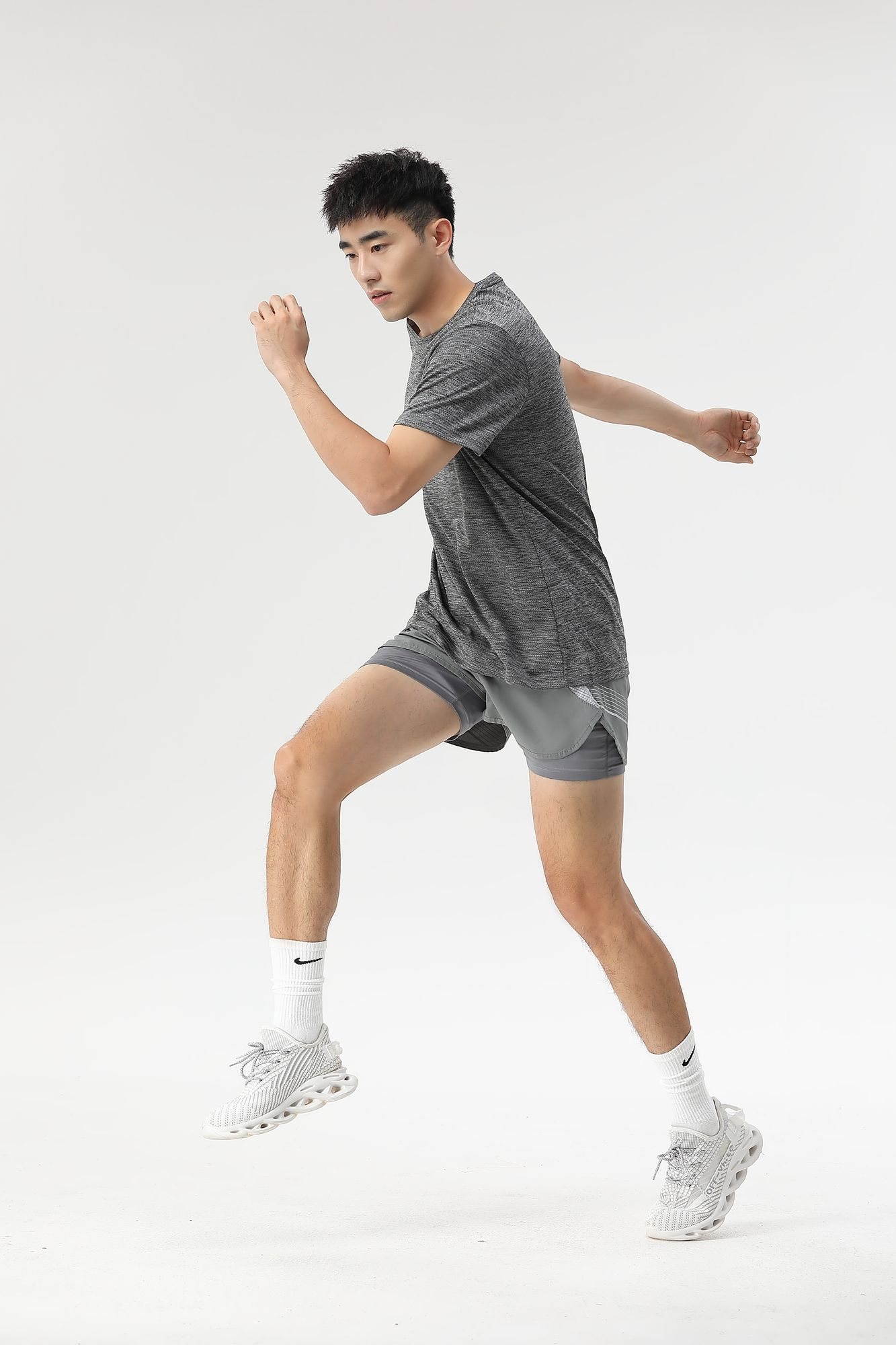
Closer athletic fits, movement-focused products, shorts, and selected layers.
Windbreakers, jackets, vests, travel pieces, and event staff layers.
Team sizing
There is no single universal teamwear size chart across every product. The applicable chart and garment measurements must be confirmed for the selected style before bulk production.
Adult, youth, men's, women's, unisex, staff, participant, or extended-size needs.
Athletic, regular, relaxed, layered, or event-giveaway fit.
Provide a rough quantity by size. Final roster numbers can follow when available.
Review the selected style measurements and use a sample when the program requires added certainty.
What buyers should inspect
Decoration compatibility
Large artwork, multiple sponsors, and full surfaces may change the recommended product or decoration method.
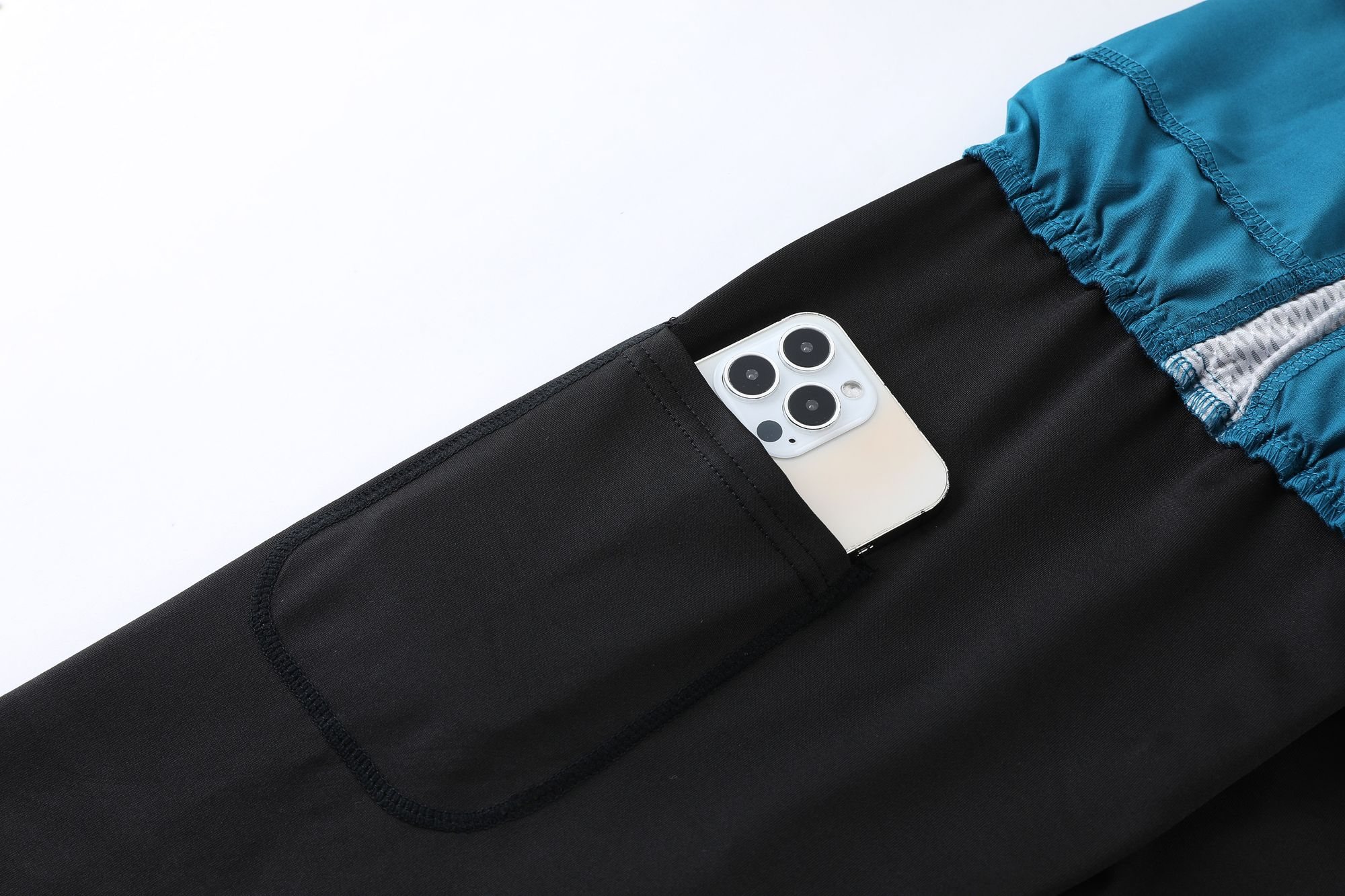
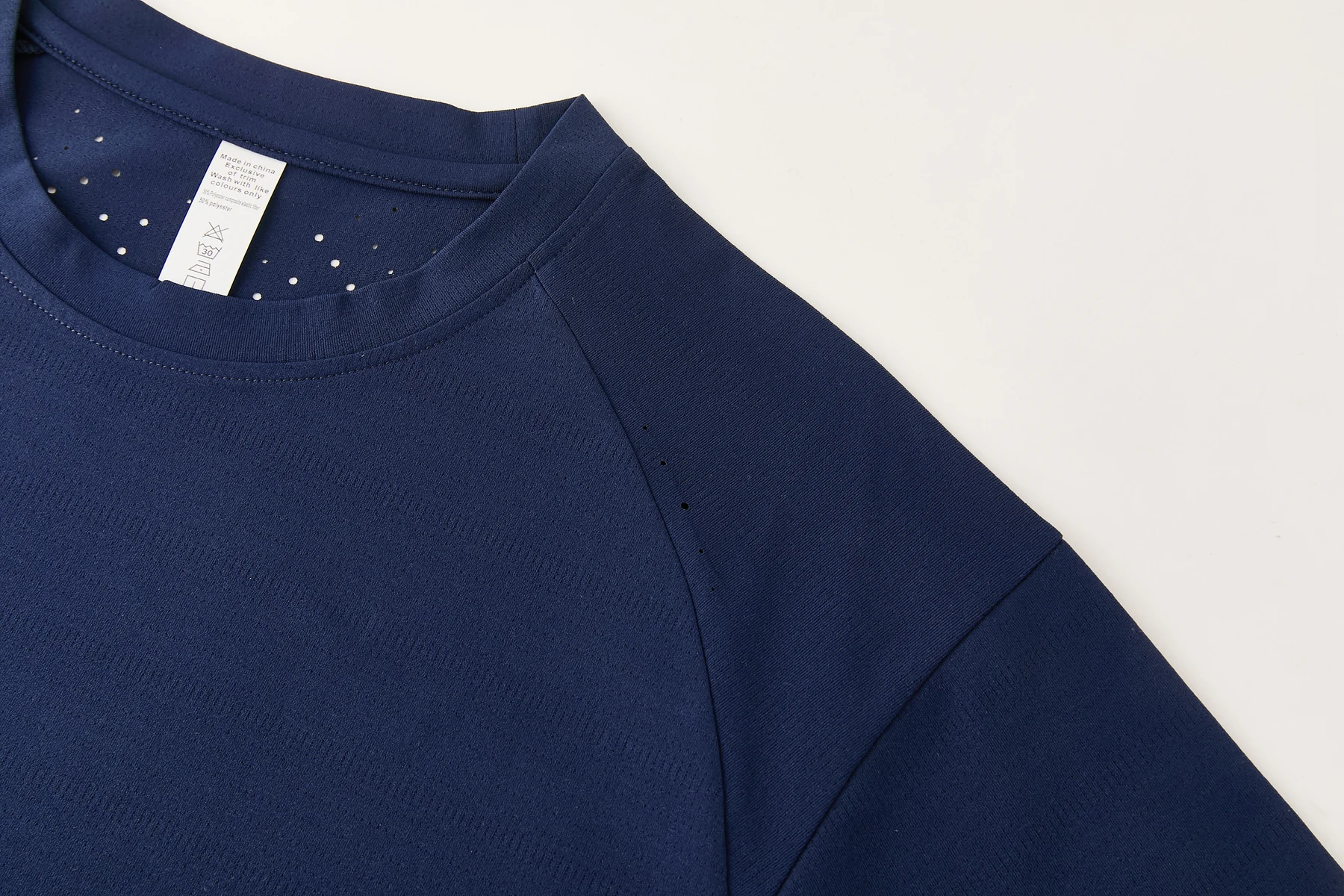
Seams, ventilation areas, zippers, pockets, and stretch zones affect practical logo placement.
Garment color, artwork color, opacity, and production method must be checked before approval.
Neck labels, care labels, hangtags, bags, stickers, and barcodes belong in the same order brief.
Before requesting a quote
Start your order brief
Share the use case, quantity, audience, artwork status, and target date. Product-specific material and sizing guidance can follow during review.